


How is Hair Loss Currently Treated?
Hair loss is a widespread concern – current data suggests that approximately 85 % of men and 33 % of women will experience some degree of hair loss at some point in their lives (Skoplijak, E., 2025). There are currently many treatment options available, and these generally fall into two categories:
- Medical treatments, which are pharmacological and often require prescriptions
- Cosmetic solutions, which focus on supportive care, regulation of the scalp environment, and prevention
These two approaches differ fundamentally in both mechanism and intensity. Choosing the most appropriate option requires careful consideration of effectiveness, skin tolerability, safety profile, and suitability for long-term use.
Medication: Effective, But Not For Everyone
In clinical practice, androgenetic alopecia or “male pattern baldness” is most frequently treated with topical Minoxidil – standard concentrations include 2 % for women and 5 % for men (Suchonwanit et al., 2020). Although it is generally regarded as safe and effective, its use is not without potential side effects. Some individuals experience local scalp reactions, most commonly contact dermatitis, with symptoms like itching, redness, and scaling (Junge et al., 2025).
Gentler Approach to Hair Loss Management
While Minoxidil remains the gold standard for medically managing androgenetic alopecia, cosmetic active ingredients offer distinct advantages, especially when it comes to tolerability, accessibility, and long-term use. They are designed to support the scalp environment and hair follicle function in a more physiological and preventive manner.
- Favorable Safety and Tolerability Profile: Because these ingredients are formulated to comply with cosmetic regulations, they are generally less aggressive than prescription medications, which means they are suitable for daily, long-term application.
- Accessibility and Flexibility: Cosmetic products are freely available, do not require a prescription, and can be easily integrated into both professional treatments and at-home routines
- Lower Cost: They are usually more affordable, making sustained use more realistic for a broader population.
Turmeric: Treating Hair Loss the Derma SR Way
One of the most extensively studied botanical active ingredients is Curcuma Longa, commonly known as turmeric. Aside from its anti-inflammatory and antioxidant properties, it is also known for stimulating hair growth and supporting follicular activity (Yang et al., 2023).
At Derma SR, Curcuma Longa serves as the key active in both our Hair Vitalizer Serum and Hair Vitalizer Essence, where it is combined with complementary, evidence-informed ingredients to deliver a comprehensive approach to hair and scalp care. In these formulations, it helps support the regeneration of the hair root and optimize the follicular microenvironment, which is essential for healthy, resilient hair growth.

Reactivates inactive hair follicles and strengthens thin, weak hair. Curcuma Longa supports the regeneration of the hair root and optimizes the microenvironment for healthy hair growth. Peptide complexes slow down hair loss and promote keratin production. Pantothenate, arginine and hyaluronic acid provide the scalp with intensive moisture to promote cell regeneration and hair growth.Blog:Beyond Medication: A gentler, sustainable approach to hair loss
Content: 20 ml (€699.50 / 100 ml)
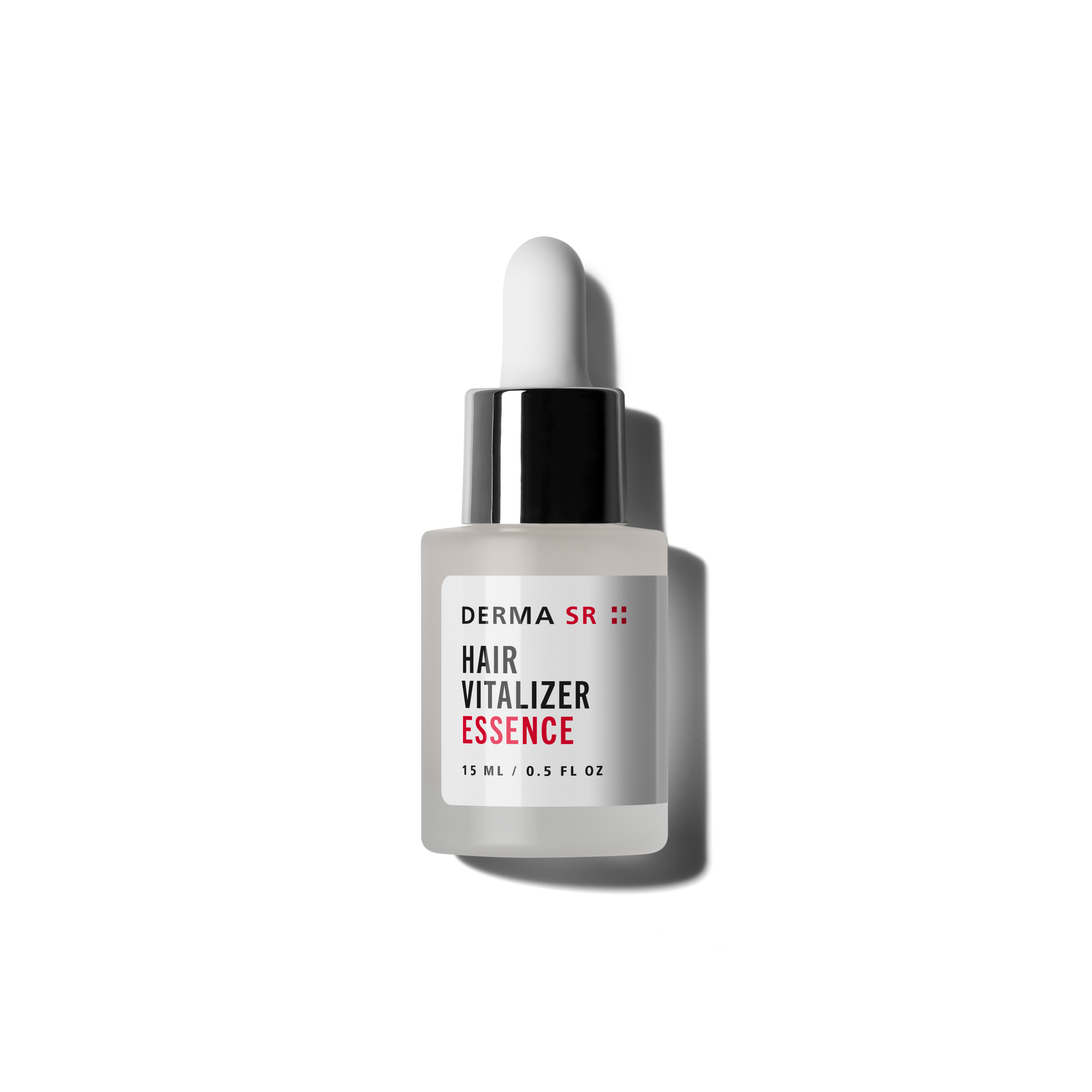
Reactivates inactive hair follicles and strengthens thin, weak hair. Curcuma Longa supports the regeneration of the hair root and optimizes the microenvironment for healthy hair growth. Peptide complexes slow down hair loss and promote keratin production. Pantothenate, arginine and hyaluronic acid provide the scalp with intensive moisture to promote cell regeneration and hair growth.Blog:Beyond Medication: A gentler, sustainable approach to hair loss
Content: 15 ml (€532.67 / 100 ml)
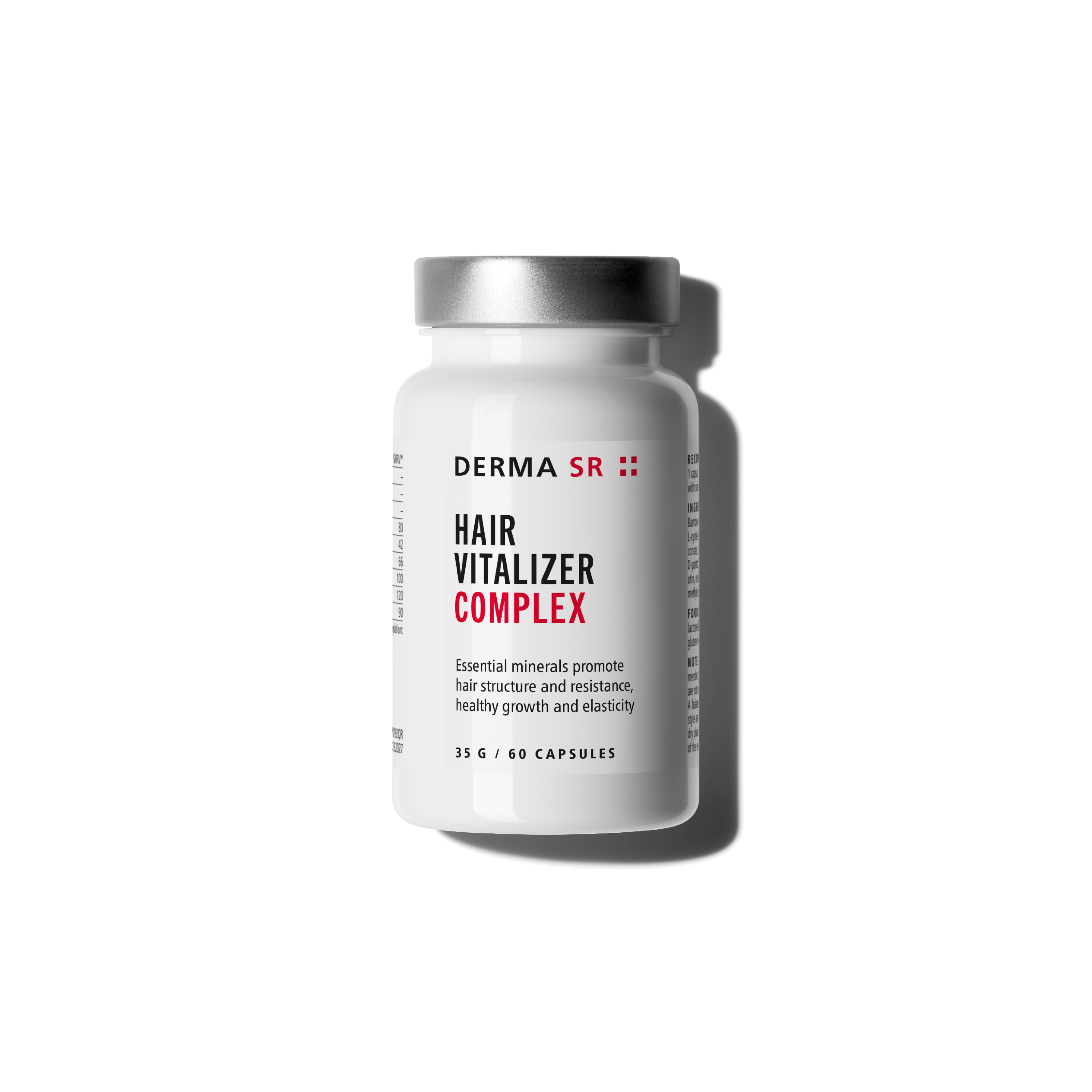
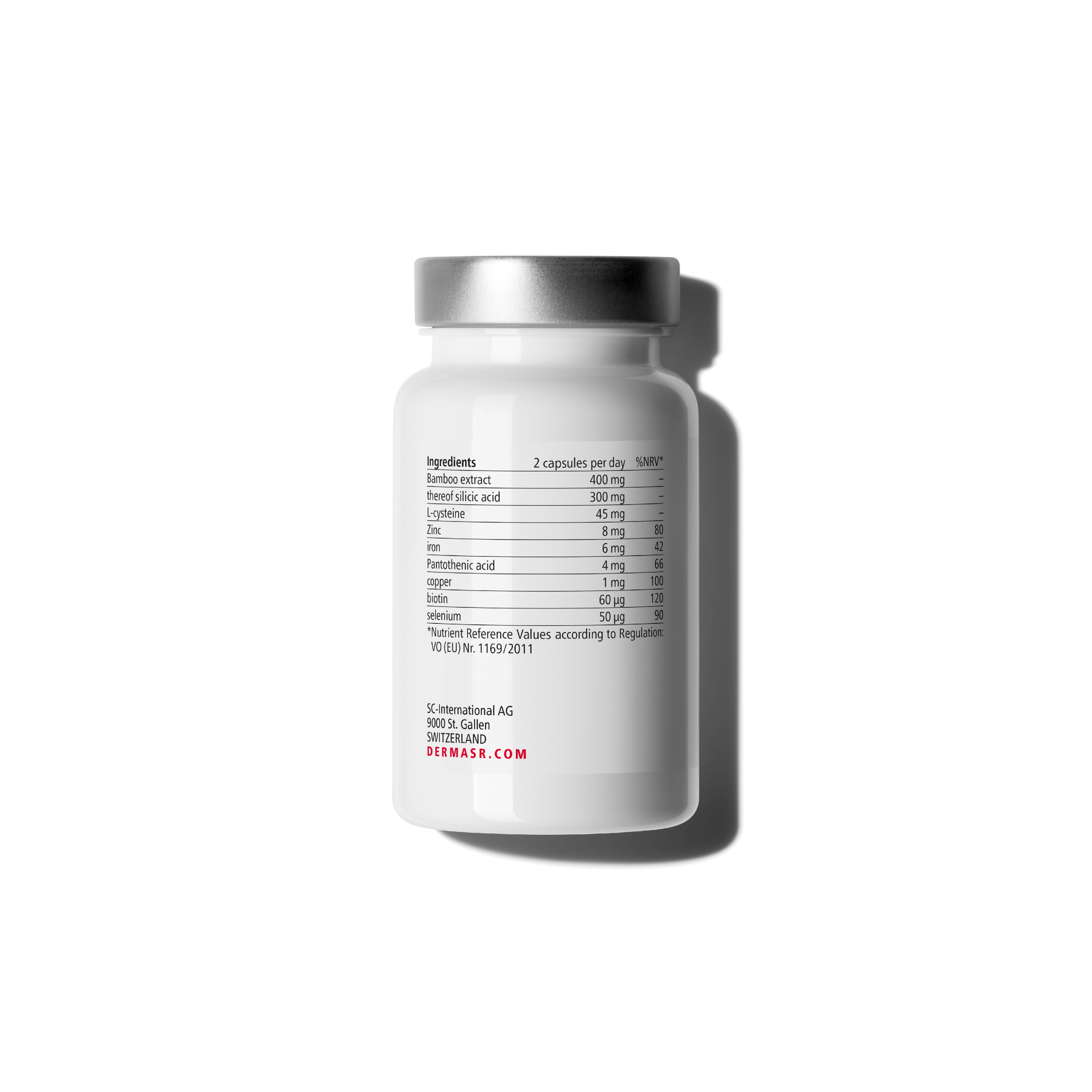
Promote healthy hair growth from the inside! Silicic acid from bamboo extract, L-cysteine and essential trace elements strengthen the hair follicles and prevent hair loss. Vitamins such as biotin and pantothenate improve the hair structure, add shine and create an ideal micro-environment on the scalp for new hair growth. Ideal for shiny, strong hair.Blog: Beauty supplements – Trend or real added value?Beyond Medication: A gentler, sustainable approach to hair loss
Content: 60 Capsules (€43.17 / 100 Capsules)
Junge, A., Radonjic-Hoesli, S., Bossart, S., Simon, D., De Viragh, P., Hunger, R.E., Heidemeyer, K., Seyed Jafari, S.M. (2025). Contact Dermatitis Caused by Topical Minoxidil: Allergy or Just Irritation. Acta Dermato-Venereologica. doi: 10.2340/actadv.v105.42401
Skopljak, E. (2025, January 24). All 159 Hair Loss Statistics of 2025 for Journalists. Scandinavian Biolabs. https://scandinavianbiolabs.com/blogs/hair-loss/hair-loss-statistics
Suchonwanit, P., Thammarucha, S., Leerunyakul, K. (2019). Minoxidil and its use in hair disorders: a review. Drug Des Devel Ther, 13:2777-2786. doi: 10.2147/DDDT.S214907
Yang, Y., Wang, P., Gong, Y., Yu, Z., Gan, Y., Li, P., Liu, W., Wang, X. (2023). Curcumin-zinc framework encapsulated microneedle patch for promoting hair growth. Theranostics, 13(11): 3675-3688. doi: 10.7150/thno.84118